Unlock Sharper Memory with This Simple Nightly Ritual
Sardinian wild blueberries reveal a forgotten method linked to brain diabetes. Discover the truth in the short video below.
 Show Me the Full Story
Imagine picking up your car keys and confidently saying, I'll drive today. A discovery involving Sardinian wild blueberries may offer insight into reversing memory loss. The pharmaceutical industry would prefer you didn't know about it.
Permanent cognitive decline is not inevitable—it’s time for a breakthrough.
Thousands are embracing this natural approach, inspired by recent discoveries.
Finally Found: Bill Gates' Team Traces Memory Loss to a Forgotten Honey Ritual
Dr. Hiroshi Tanaka, who led the investigation, says the search finally ended with a wild honey habit almost no one still practices.
Do You Really Believe Forgetfulness Just Means You're Getting Older?
You stand in the kitchen and forget what you walked in for. You reread the same paragraph three times before it sinks in. Somewhere along the way, you started calling this 'just getting older' — even though it feels different from what your parents described at your age.
Most people assume a slipping memory is a personal failing, a lack of discipline, or simply the clock catching up. The truth researchers are now describing looks like the opposite: a growing number of specialists point to something happening inside the brain that has nothing to do with willpower — a shift some are now calling type 3 diabetes.
If a named, physical process is behind the forgetting, the years spent blaming yourself may have been aimed at the wrong target. The open question is what actually triggers that shift, and why the industry that profits from lifelong prescriptions has stayed so quiet about it.
What Made Dr. Hiroshi Tanaka Question Everything Big Pharma Sells for Memory Loss?
Dr. Hiroshi Tanaka led the research team working alongside the Bill Gates initiative on cognitive decline. His team's data points away from the theory that has shaped memory loss treatment for two decades. The industry built on that older theory is now estimated at $400 billion a year, even as the science underneath it faces new scrutiny.
Tanaka's team traced a pattern researchers are now labeling type 3 diabetes, separate from the theory printed on every prescription pad today. Aricept, Exelon, and Namenda were all designed around that older theory. None of them were built to touch what Tanaka's data actually shows. A widely cited brain-imaging study behind the older theory was later found to contain fabricated data, and that finding is now part of the public record.
Tanaka says the pattern his team found does not stay still while patients wait on protocols built for a different problem. What his team found next is laid out in the recorded conversation above.
Why does Bill Gates keep bringing up honey and memory loss?
I started digging into this after his name kept popping up next to memory research instead of tech news. A research team he backed apparently traced brain fog back to something doctors have started calling type 3 diabetes. That is not a phrase I expected to see next to memory loss.
RESEARCH SUGGESTS: forgetting things may behave less like aging and more like a blood sugar problem happening inside the skull.
Most people assume memory just fades with age. The team behind this research says the opposite. Wild honey and Sardinian blueberries keep showing up in the same conversation, though nobody spells out why.
There is a short video where the specialist who led that research walks through what they actually found, and honestly, he explains it far better than I can.
Why Did Bill Gates' Own Research Team Call Memory Loss 'Type 3 Diabetes'?
Research Note
Study Reveals
Dr. Hiroshi Tanaka
Lead researcher, Bill Gates-funded memory study. Candidate for the Breakthrough Prize.
"We kept testing blood sugar and finding nothing. The resistance wasn't in the blood at all. It was happening inside brain tissue, and no one had looked there before."
Dr. Tanaka led the research team behind Bill Gates' memory study. His team was the first to test brain tissue directly for insulin resistance, not just blood sugar.
The finding gave memory loss a new classification inside the study: type 3 diabetes. A brain that stops responding to insulin the way a healthy brain does.
That reclassification is what put his name on the Breakthrough Prize shortlist. What his team did next with that finding is laid out step by step in the video above.
The pharmaceutical industry has run a roughly $400 billion-a-year business built on this condition never being fully explained. A brain reclassified as diabetic changes what that business is built on.
This content is for informational purposes only and is not intended to diagnose, treat, cure, or prevent any disease. Individual results may vary.
What Readers Are Saying After They Found This
Real results from real people

Diane Foster, 68
Tulsa, Oklahoma
★★★★★"I started writing my grandkids' names on sticky notes because I kept blanking mid-sentence at the dinner table. My doctor just kept raising my prescription and nothing ever changed. A friend sent me a link to this and it was the first thing in years that actually made sense to me. I wish I'd seen it before I forgot my own anniversary and missed the dinner entirely."
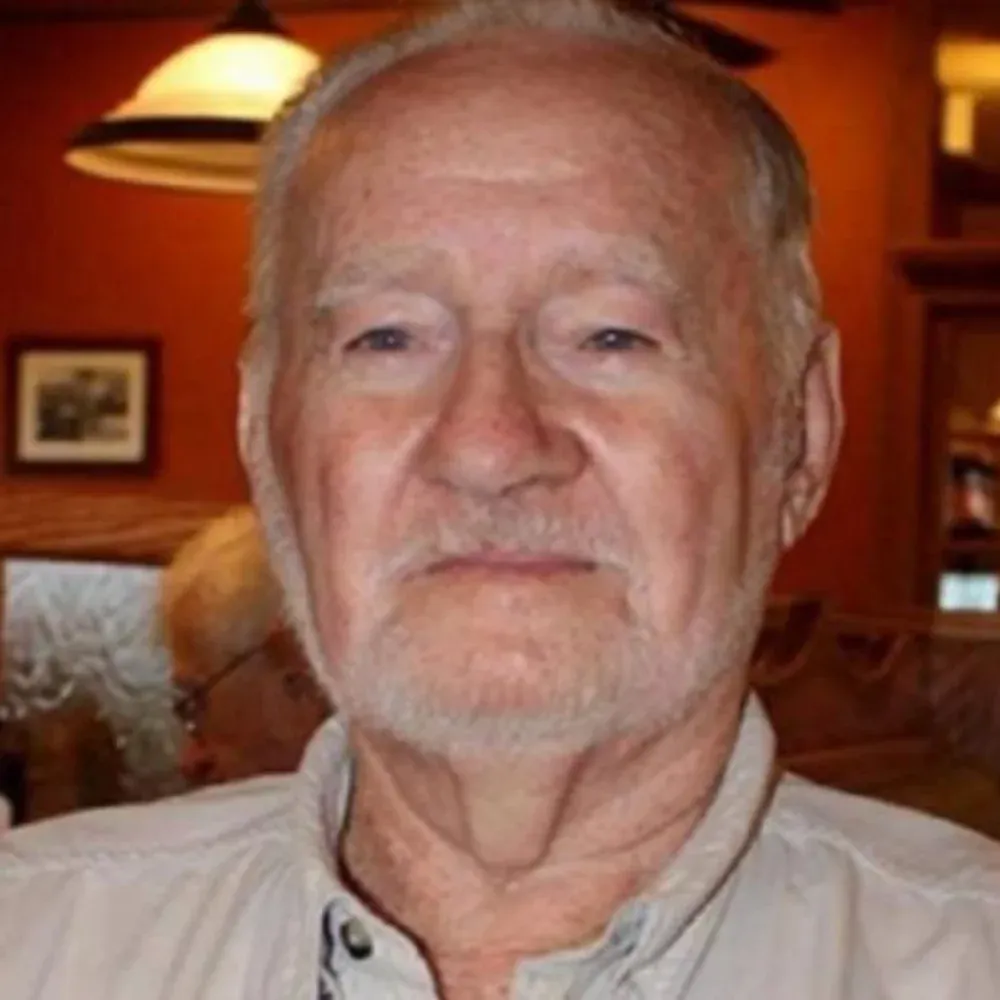
Raymond Kessler, 72
Erie, Pennsylvania
★★★★★"I got lost driving home from the pharmacy, ten minutes from my own house, and just sat in the car crying. My kids started talking about 'options' like I wasn't even in the room anymore. Reading this changed how I look at the whole thing. Not one specialist I saw ever mentioned there could be another explanation."
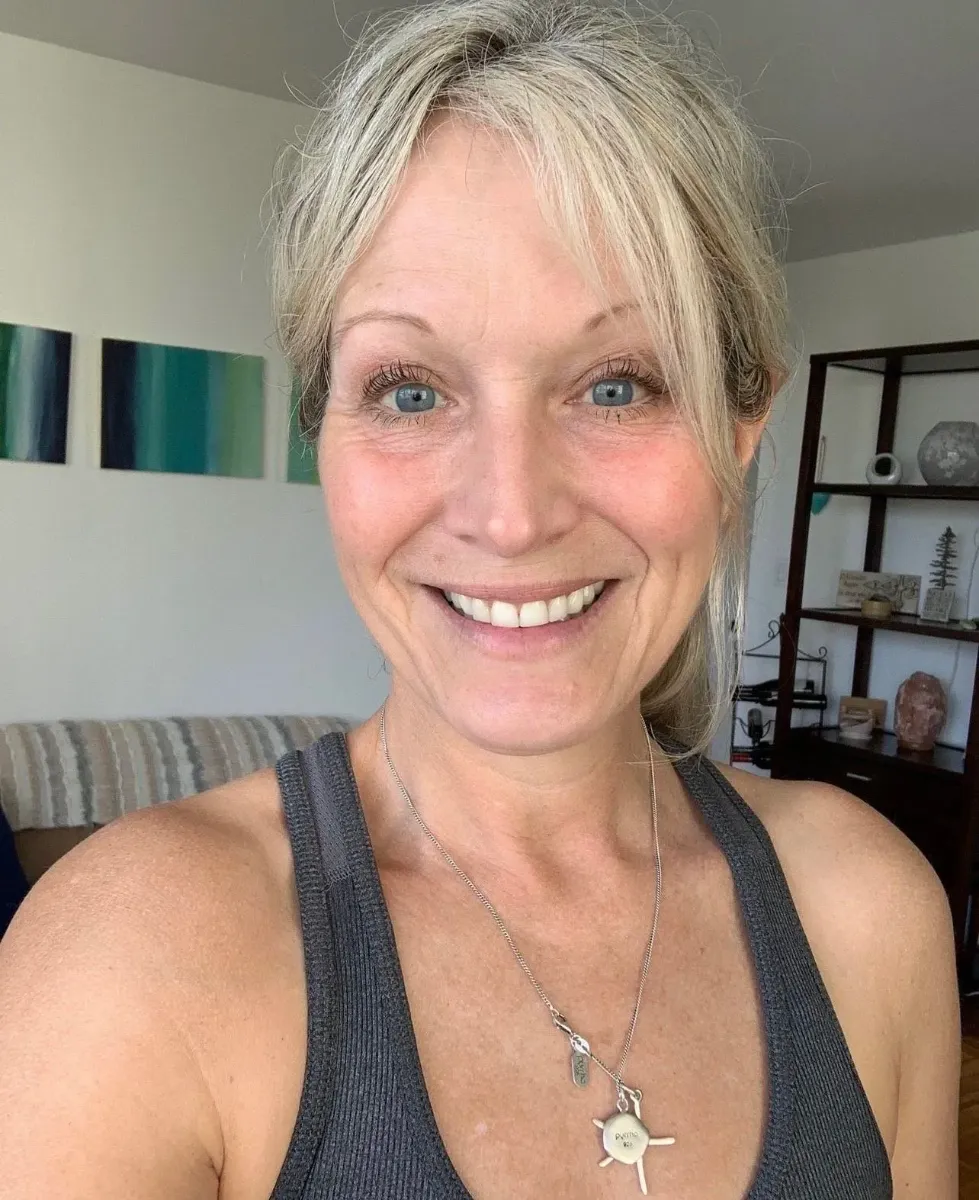
Marlene Ubaldo, 59
Reno, Nevada
★★★★★"I told my sister I was terrified I was turning into our mother, who stopped recognizing any of us near the end. Three different medications later, all they did was make me foggy in a different way. I read this at midnight, half panicked, and finally felt like someone had actually found a reason instead of just handing me another pill. I sent it to my sister the next morning."
Bill Gates Honey Discovery: Memory Loss Questions People Are Asking
Why do searches for bill gates honey keep appearing next to memory loss news?
Reports link a research team once affiliated with Bill Gates to a natural insulin-sensitivity discovery aimed at brain health decline. The specialist behind the finding walks through the full discovery in the presentation.
Does the bill gates honey memory loss method apply to occasional brain fog or only diagnosed dementia?
The reported discovery centers on insulin resistance inside brain cells, a pattern some researchers now label type 3 diabetes, and it shows up long before any formal dementia diagnosis. Left unaddressed, the same pattern is described as the thread connecting early fog and later stage decline.
How soon did people notice changes after the bill gates alzheimer's breakthrough method?
Accounts tied to the research describe noticeable changes within weeks of starting the daily ritual, not years of waiting on protocol. Ignoring that window, according to those same accounts, lets the underlying pattern keep advancing quietly in the background.
Who is the doctor behind bill gates' alzheimer's breakthrough claims?
Dr. Hiroshi Tanaka led the research team credited with identifying brain insulin resistance as a root cause, work that has drawn attention as a Breakthrough Prize candidate. He lays out how the team reached that conclusion in the video interview.
Where can I see the full gates memory loss research findings?
The research connecting bill gates honey and memory loss has not run through a mainstream outlet, which is why most people only ever see fragments of it online. Missing the full picture means missing how the ritual is meant to be timed and why that timing was flagged as critical.
Research Update
Now You Know Why It's Called Type 3 Diabetes
The video finally shows the ritual behind this discovery, the one Dr. Hiroshi Tanaka's team traced, and it is something no prescription pad has ever included.
See What May Reverse Type 3 DiabetesResults may vary from person to person.
References
- Autophagy, 2024. The Wolfram-like variant WFS1(E864K) destabilizes MAM and compromises autophagy and mitophagy in human and mice. PMID: 38651637.
- Pediatr Diabetes, 2025. Diabetes Insipidus as an Early Clinical Indicator of Wolfram Syndrome Type 1: Evidence From a Symptom-Based Screening Approach. PMID: 41080637.
- J Clin Endocrinol Metab, 2022. Approach to the Pediatric Patient: Central Diabetes Insipidus. PMID: 34993537.